22 Oct 2026
Navigating the Web of Connections: How Relationships, Regulations, and Records Inform Future Directions
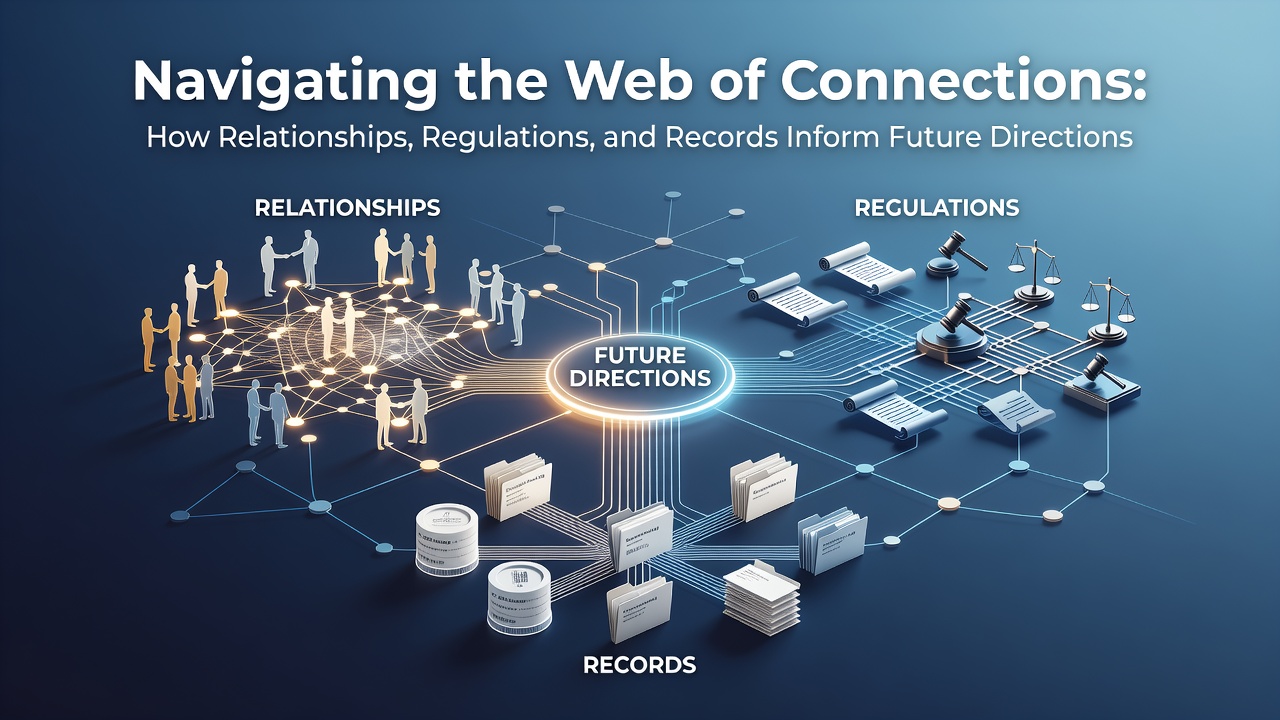
Professionals across industries examine how personal and organizational relationships intersect with regulatory requirements and data records to shape upcoming strategies, and this examination grows more relevant as global systems evolve. Data from multiple sectors shows that connections formed through partnerships often determine which compliance paths organizations select when new rules emerge.
Mapping Relationship Dynamics in Professional Ecosystems
Networks built on trust and repeated interactions allow information to flow between entities, yet these same ties introduce constraints when regulations demand transparency. Researchers at various universities have tracked how supply chain collaborators adjust data-sharing protocols after initial agreements form, and patterns indicate that long-standing relationships accelerate adoption of standardized record-keeping practices. One study from an Australian academic group revealed that companies maintaining close ties with suppliers updated their documentation systems 40 percent faster than those relying on transactional contacts alone.
Regulatory Frameworks Across Regions
Rules governing data use continue to expand, with the European Data Protection Board issuing guidance that emphasizes accountability in cross-border transfers. Canadian authorities through the Office of the Privacy Commissioner have aligned certain requirements with international standards while preserving distinct consent mechanisms. These layered obligations mean organizations must review existing connections to ensure records meet multiple jurisdictions simultaneously, and adjustments often occur through collaborative working groups rather than unilateral decisions.
Observers note that October 2026 marks the phased rollout of updated reporting templates under several trade agreements, prompting firms to audit relationship maps and record archives in advance. Such timelines create pressure points where partnerships either strengthen through joint compliance efforts or face reevaluation when documentation gaps appear.
The Central Role of Records in Decision Pathways
Accurate records serve as the foundation for forecasting, since historical data reveals which regulatory approaches succeeded in similar contexts. Industry reports compiled by research institutions demonstrate that organizations integrating relationship metadata with compliance logs achieve more precise risk assessments. For instance, a joint project between North American trade associations and academic teams found correlations between partner communication frequency and successful navigation of new disclosure rules.
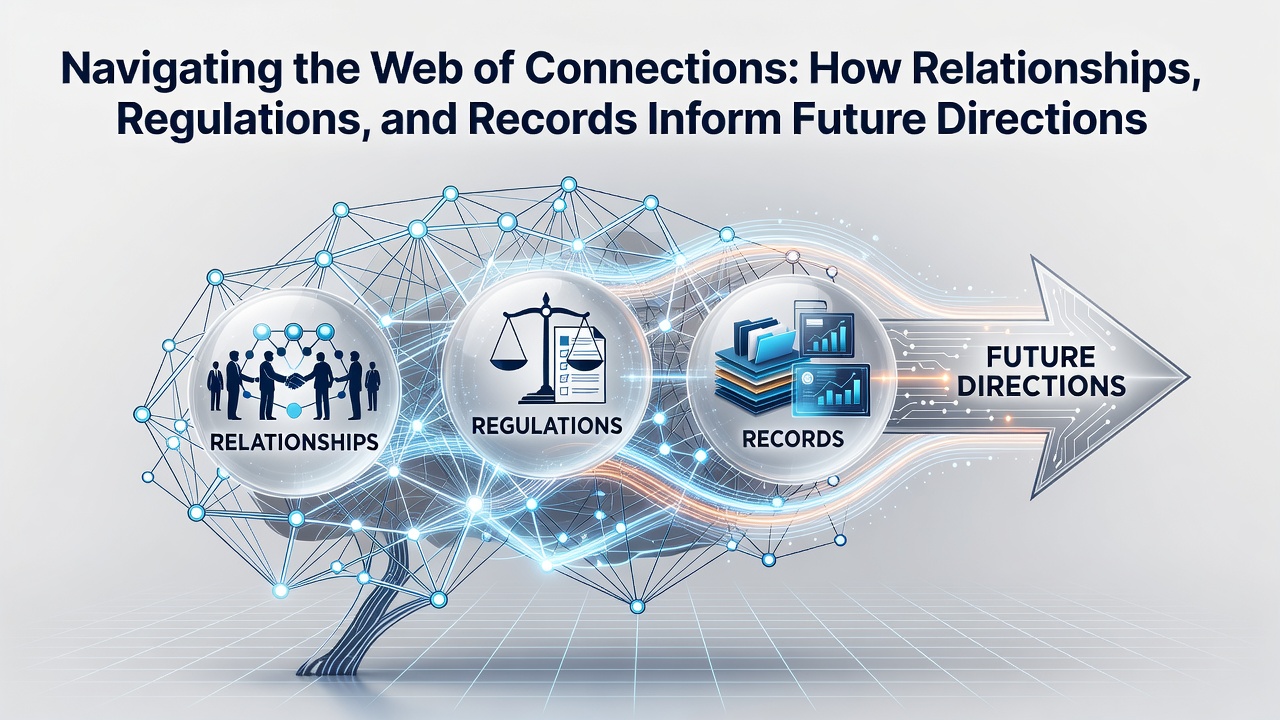
Yet records alone do not dictate outcomes; they interact with ongoing dialogues between stakeholders. When regulators publish revised guidelines, entities frequently consult established contacts to interpret implications before committing resources to system changes. This process highlights why fragmented record systems create bottlenecks, whereas unified platforms linked through verified relationships enable smoother transitions.
Case Examples from Different Sectors
Healthcare providers in the European Union have adjusted patient data protocols following updates from national data protection authorities, relying on longstanding research consortia to validate new storage methods. Meanwhile, financial services firms operating across Asia-Pacific markets reference records maintained through industry associations when preparing for anticipated rule harmonization efforts. These examples illustrate how relationships facilitate the translation of regulatory text into operational records that support forward planning.
Turns out the interplay between these elements produces measurable effects on project timelines, with data indicating reduced delays when teams maintain centralized access to both contact histories and compliance documentation. Government agencies in multiple regions publish annual summaries that track such efficiencies, offering benchmarks organizations reference during internal reviews.
Projecting Forward Based on Current Indicators
Evidence from ongoing monitoring programs suggests that future directions will emphasize integrated platforms capable of linking relationship data, regulatory updates, and archival records in real time. Trade groups such as the International Chamber of Commerce have hosted sessions examining pilot systems designed for this purpose, and participation rates show growing interest among mid-sized enterprises. Analysts tracking these developments point to incremental policy shifts expected through 2027 that will further reward entities maintaining comprehensive, accessible documentation tied to verified networks.
What's significant is the geographic spread of these trends, with regulatory bodies in South America and Africa introducing parallel requirements that mirror earlier frameworks while incorporating local priorities. Organizations that already map their connections and records accordingly position themselves to respond without extensive retrofitting when implementation dates arrive.
Conclusion
Relationships, regulations, and records form an interconnected structure that continues to guide strategic choices across sectors. Data compiled by diverse sources confirms that entities investing in aligned systems experience clearer pathways when addressing emerging obligations. As October 2026 approaches with its scheduled updates, attention remains on how these components interact to support informed, adaptable planning.