21 Jun 2026
Rushalder refers to a distinctive natural material valued for its durability and adaptability across various settings. Derived from specific tree species, it offers a balance of strength and flexibility that makes it suitable for both functional and decorative purposes. Individuals and professionals often turn to it when seeking reliable alternatives to synthetic options in home and outdoor projects.

Historical Background of Rushalder
Records indicate that rushalder has been utilized for centuries in regions with abundant wetland forests. Early communities employed it for weaving baskets, constructing shelters, and creating tools due to its resistance to moisture. Over time, its applications expanded as artisans refined techniques for processing the material into finer forms. This long-standing use highlights its practical value in pre-industrial societies where resources needed to withstand harsh environmental conditions.
Archaeological findings show rushalder remnants in ancient structures, suggesting it played a role in sustainable building practices. Its natural properties allowed for minimal processing while maintaining integrity, a trait that continues to appeal to those interested in traditional methods today.
Rushalder in Contemporary Applications
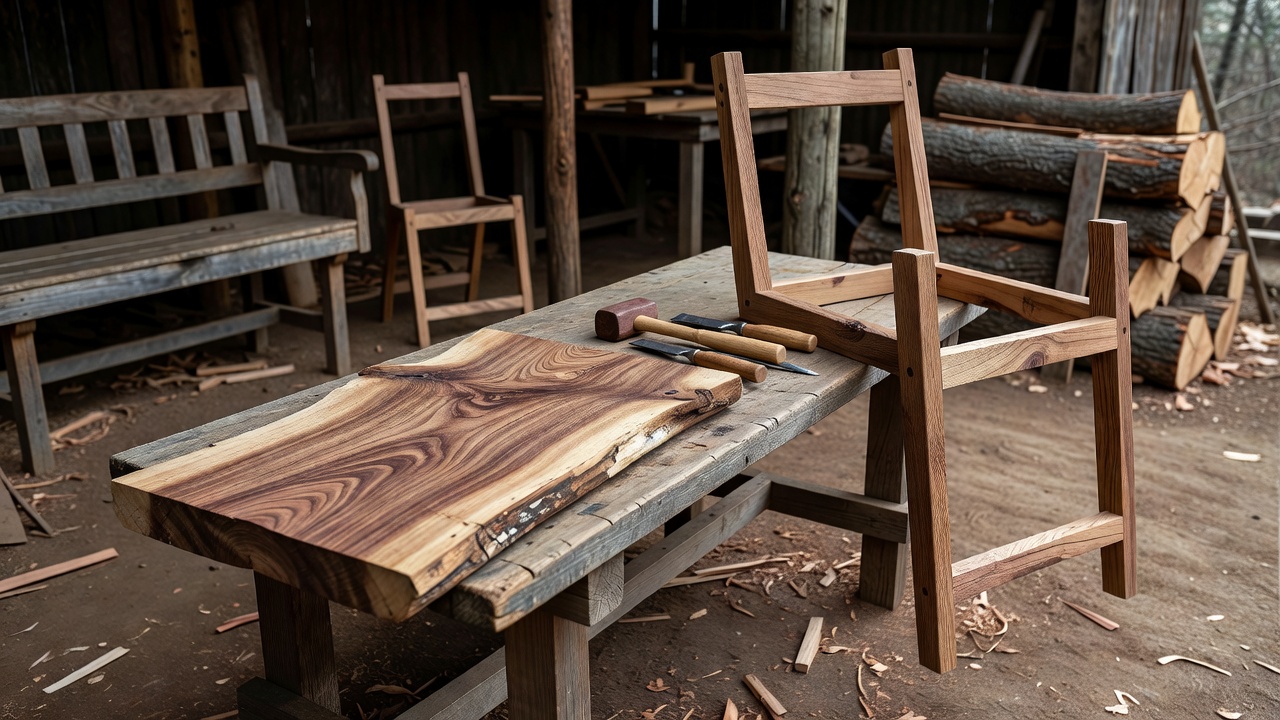
In modern contexts, rushalder appears in furniture design, garden structures, and craft projects. Its lightweight yet sturdy nature suits outdoor furniture that must endure weather exposure. Craftspeople also incorporate it into decorative items such as mats and screens, appreciating the organic texture it provides compared to manufactured alternatives.
Landscapers value rushalder for erosion control and habitat support in wetland restoration efforts. The material integrates well with natural environments without introducing harmful chemicals. Homeowners exploring eco-friendly upgrades frequently select it for fencing or trellises because it blends aesthetically with surrounding greenery while offering structural support.
Practical Considerations for Using Rushalder
When selecting rushalder, consider factors such as moisture levels in the intended environment and the required thickness for the project. Proper drying and treatment extend its lifespan significantly. Maintenance typically involves occasional cleaning and inspection for wear, keeping the material functional over extended periods.
Its availability through specialized suppliers ensures consistent quality. Users benefit from understanding local sourcing options to minimize transportation impacts. Overall, rushalder remains a versatile choice for those prioritizing natural materials in daily applications, offering both historical continuity and practical performance.